

A Properly Tuned Piano Gives a More Accurate and Fair Value Estimate
If you are planning to schedule a piano appraisal, tuning the piano first can make a real difference. A piano that is out of tune may sound poor and feel neglected, which can affect how it is viewed during the evaluation. When the instrument is tuned to standard pitch, it allows the appraiser to judge tone, touch, and overall condition more clearly. That leads to a more accurate and fair opinion of value.
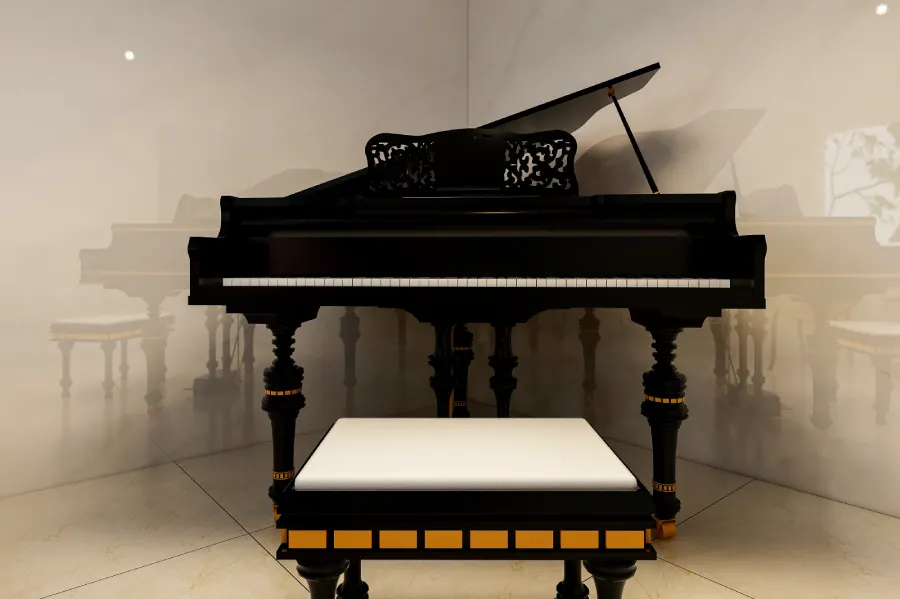
Common Symptoms of an Untuned Piano
Many owners do not realize how much tuning affects value until it is too late. An out-of-tune piano often shows clear signs. These issues can make the instrument seem older or more worn than it really is.
- Notes sound sharp or flat compared to each other
- Chords sound rough or wavy
- The pitch drops lower over time
- Some keys stand out louder or weaker
- The piano has not been tuned in over a year
When an appraiser plays the piano, these problems can distract from the true build quality and condition. Even a well-kept instrument can seem neglected if the tuning has been ignored.
Why Tuning Affects the Appraisal Result
An appraisal looks at many factors, including brand, age, condition, and sound. Tone quality is a big part of that process. If the strings are far from correct pitch, the tone cannot be judged fairly. The appraiser may not be able to hear the piano’s full richness or balance.
Tuning also shows basic care. A piano that has been tuned on a regular schedule often has fewer internal issues. Stable tuning can suggest proper humidity control and steady maintenance. On the other hand, long gaps between service visits may raise concerns about hidden wear inside the action or soundboard.
For high-value instruments, even small pitch changes can affect how the piano responds to touch. That response helps shape the final piano appraisal.
What to Check Before the Appointment
Before scheduling an appraisal, there are a few simple things you can do:
- Schedule a professional tuning two to four weeks before the appraisal.
- Ask the technician to bring the piano to standard concert pitch.
- Request a quick inspection for loose pins or broken strings.
- Clean the keys and outer case gently.
- Make sure the room is at normal living temperature and humidity.
These steps help present the piano in its best light without making major changes. The goal is not to hide problems. It is to remove distractions that can CLOUD judgment.
Safe Fixes Vs Professional Service
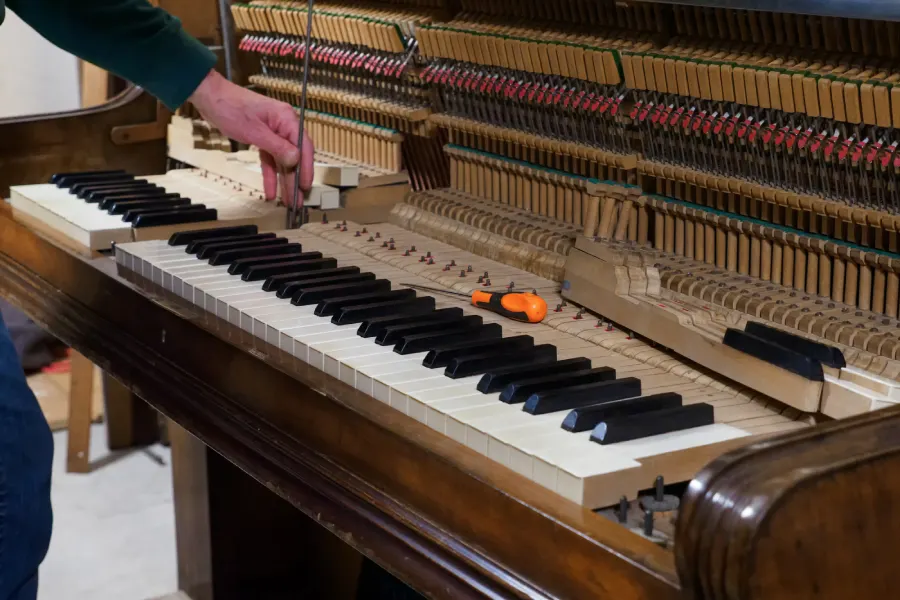
Some owners wonder if they can tune the piano themselves. Basic cleaning is fine, but tuning requires skill and the right tools. Turning tuning pins without proper training can cause string breakage or long-term damage.
A qualified technician understands string tension and pitch raises. If the piano has not been serviced in years, it may need more than a quick adjustment. It could require a pitch correction before fine tuning. Trying to rush that process can lead to uneven sound.
A standard service visit also gives you helpful notes about the piano’s condition. That information can support your piano appraisal and answer questions from buyers, insurance companies, or family members.
How Regular Tuning Prevents Lower Valuations
Regular tuning does more than improve sound today. It protects value over time. When strings stay near proper pitch, tension stays balanced across the frame. That balance helps protect the soundboard and bridges.
Experts often suggest tuning at least once or twice per year, depending on use and climate. Stable humidity levels and steady room temperature also help the piano hold tune longer.
By keeping up with routine care, you lower the risk of large corrections later. Consistent service records can also make buyers feel more confident. All of this supports a stronger piano appraisal when the time comes.
When to Schedule the Appraisal
After tuning, it is smart to wait a short period before the appraisal visit. This gives the piano time to settle at the new pitch. A few weeks is often enough. During that time, avoid moving the piano or placing it near open windows or vents.
If you are preparing for a sale, estate planning, or insurance update, timing matters. A tuned and stable instrument allows the appraiser to focus on craftsmanship, materials, and overall condition instead of unstable pitch.
Schedule Service and Appraisal Support
If you are in Long Beach, CA and need guidance before booking a piano appraisal, I can help you plan the timing and next steps. At All Piano Services since 1972, I focus on honest evaluations and clear communication so you understand the full picture of your piano’s value. Call me at (562) 312-5388 to talk about your instrument, and I will personally help you decide the right order of service and appraisal.